VISUOSOFTS · MIDDLE EAST
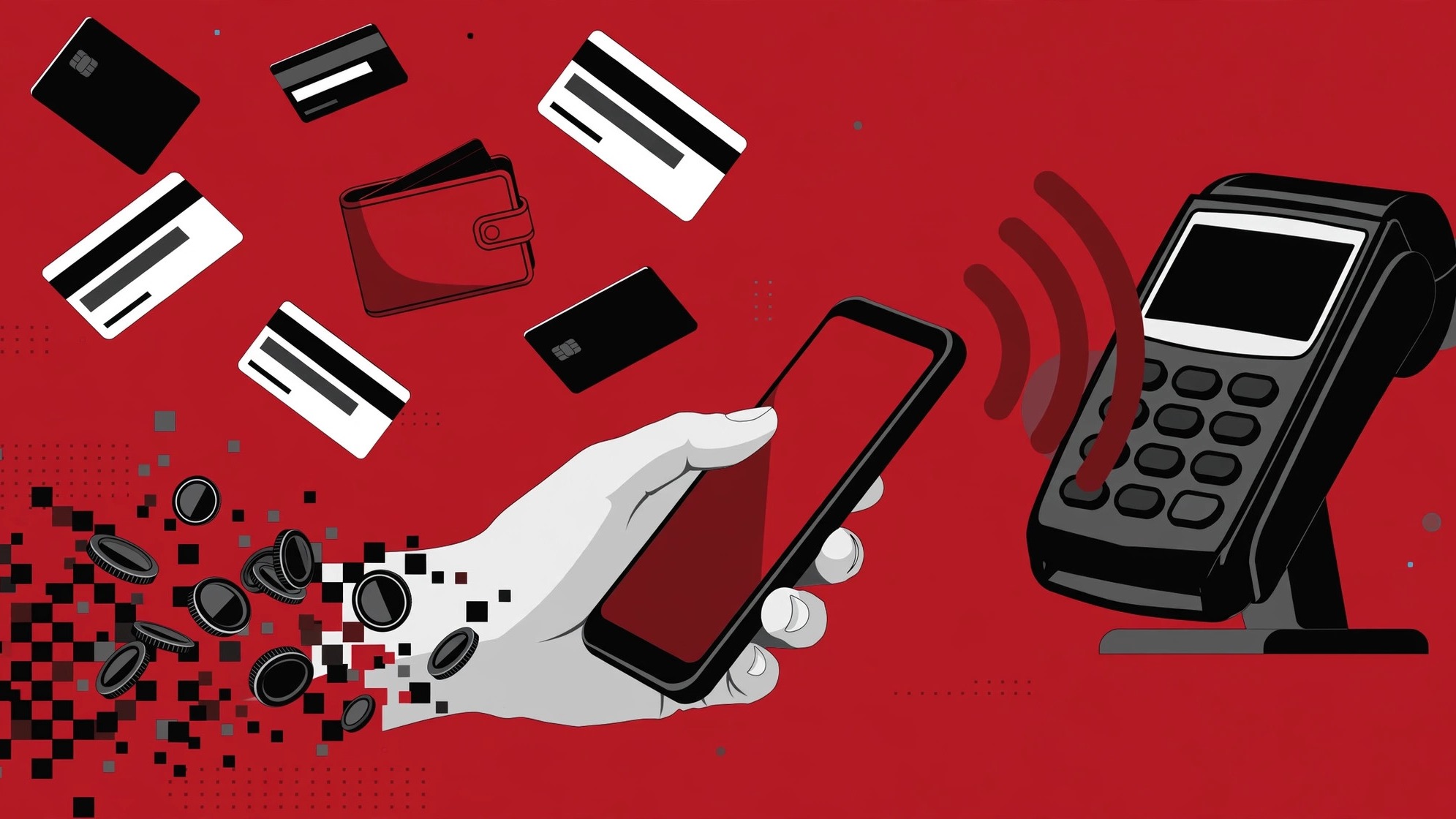
The UAE is going cashless at remarkable speed — cards, Apple Pay, digital wallets and BNPL now dominate transactions, and cash-on-delivery has faded to a minority preference in most categories. For e-commerce and service businesses, the checkout is no longer about offering every option; it is about ordering the right options, removing friction, and designing payment UX that matches how Emiratis actually pay.
This guide covers the cashless landscape: which payment methods matter, checkout UX that converts, mobile payment behaviour, BNPL placement, and the trust signals that close the sale.
THE PAYMENT LANDSCAPE
- Cards dominate. Credit and debit cards — Visa and Mastercard primarily — remain the backbone of UAE online payment. Any checkout without smooth card processing is broken by definition.
- Apple Pay (and Google Pay) as expectation. One-tap mobile wallets are standard for the smartphone-first shopper base — their absence at checkout is a visible gap, not a minor omission.
- BNPL as a primary method. Tabby-led instalments touch a huge share of checkouts (see our BNPL guide) — positioned alongside cards, not hidden under "alternative payments".
- Regional wallets and bank transfer options serve specific segments; evaluate per your audience rather than defaulting to everything.
- COD in decline but not dead. Cash on delivery has faded substantially but persists in some categories and customer segments. Offer it where your data says it converts; drop it where it only adds failed-delivery cost. Our logistics guide covers the fulfilment side.
CHECKOUT UX THAT CONVERTS
- Order methods by actual usage: cards, Apple Pay/Google Pay, BNPL, then the rest. The most-used option should be the most prominent — not buried alphabetically.
- Guest checkout as default. Forcing account creation before payment is the classic conversion killer. Offer guest checkout; invite account creation after the purchase.
- One page, minimal fields. Every field is friction. Autofill support, address lookup, and saved-payment options compress the flow to its minimum.
- Instalment pricing upfront. "4 payments of AED X" beside the price — on product pages, not just at checkout. Price reframing before the decision beats payment options after it.
- No surprise fees. Delivery charges, payment surcharges and any other costs visible before the payment step. Surprise costs at payment are the top abandonment trigger in the region.
- Bilingual checkout. Payment flows in the customer's language — Arabic checkout for Arabic-speaking shoppers, with crystal-clear instalment terms. Confusion about money kills trust instantly.
- Error handling that helps. Declined card? Explain why it might have happened and offer the immediate alternative (wallet, BNPL) — not a dead-end error message.
MOBILE PAYMENT BEHAVIOUR
The overwhelming majority of UAE e-commerce transactions happen on phones — which means checkout is a mobile UX problem first. Wallet payments (Apple Pay especially) should be one-tap; card entry must support camera scan and autofill; the entire flow must survive interruptions (calls, app switches) without losing the cart; and page weight must be minimal — every second of checkout load time taxes conversion. Test the full payment flow on real devices, on real UAE mobile networks, in both languages. Lab testing on office wifi proves nothing. Our e-commerce growth audits always include real-device checkout testing.
BNPL PLACEMENT IN THE PAYMENT STACK
BNPL deserves first-class placement: instalment messaging on product and category pages, BNPL as a top-level payment option at checkout (not under "more"), and eligibility communication that sets honest expectations. The fee economics must be modelled into margins — see our BNPL guide for the full maths. Frame instalments as flexibility, particularly important for premium positioning per our luxury guide — never as discount.
TRUST SIGNALS THAT CLOSE THE SALE
- Security badges that mean something. SSL, recognised gateway logos, and clear data-handling statements — placed where the payment decision happens, not in the footer.
- Recognisable local presence. .ae domain, UAE phone number, local address — the legitimacy signals UAE shoppers scan for before entering card details.
- Clear refund and returns policy linked directly from checkout. Shoppers will not pay if they cannot see how they get their money back.
- Social proof near payment. Review snippets and purchase reassurance at the payment step — the moment of maximum hesitation deserves maximum reassurance.
- No dark patterns. Pre-ticked add-ons, hidden subscriptions, and misleading urgency destroy trust permanently for one order's gain. The UAE's consumer-protection expectations are real — and review sections are forever.
WHERE UAE CHECKOUTS FAIL
- Gateway friction: redirects that break on mobile, 3D Secure flows that confuse, timeouts on slow connections. Monitor payment success rates by method and device — a dropping success rate is a revenue fire.
- Currency confusion: always charge and display in AED for UAE customers; foreign-currency surprises at the bank statement stage generate chargebacks and complaints.
- Missing wallets: no Apple Pay in a mobile-first market is a visible, measurable conversion gap.
- COD operational drag: offering COD without managing its failed-delivery and reconciliation costs turns a conversion feature into a margin leak.
- One-language checkout for a bilingual customer base — the payment step is the worst place for a language barrier.
- Stale payment method mix. Customer payment habits evolve — wallets rise, COD falls, new BNPL providers emerge. A checkout optimised two years ago and never revisited quietly drifts out of step with how the market pays now. Annual payment-mix reviews keep the stack current.
CASHLESS PAYMENT UX — FAQs
Which payment methods are essential for a UAE store?
Cards (Visa/Mastercard), Apple Pay and Google Pay, and BNPL (Tabby-led) cover the overwhelming majority of transactions. Add regional options per your audience data; drop methods nobody uses — each integration is maintenance surface.
Should we still offer cash on delivery?
Check your data. COD has faded to a minority preference overall but persists in specific categories and segments. Offer it where it measurably converts; remove it where it only adds failed deliveries and reconciliation cost.
How do we reduce checkout abandonment?
The standard fixes in order of impact: guest checkout, visible total cost before payment, wallet one-tap options, instalment pricing upfront, minimal fields, and mobile-first testing. Measure abandonment by step to find your specific leak.
Does BNPL cheapen a premium brand?
Not in the UAE — instalments are mainstream across price points including luxury. Frame it as flexibility for the client rather than discount, keep it elegant in presentation, and it enhances rather than erodes positioning.
What payment security do customers expect to see?
Recognisable gateway branding, SSL indicators, clear data-handling statements, and local legitimacy signals (.ae domain, UAE contact details). Security communication should be visible but calm — alarming language about fraud raises the anxiety it means to soothe.
How often should we review payment performance?
Monthly at minimum: success rates by method and device, abandonment by checkout step, and fee economics per method. Payment performance drifts — new device behaviours, gateway changes, fraud patterns — and drift costs money silently.


