VISUOSOFTS · OMAN
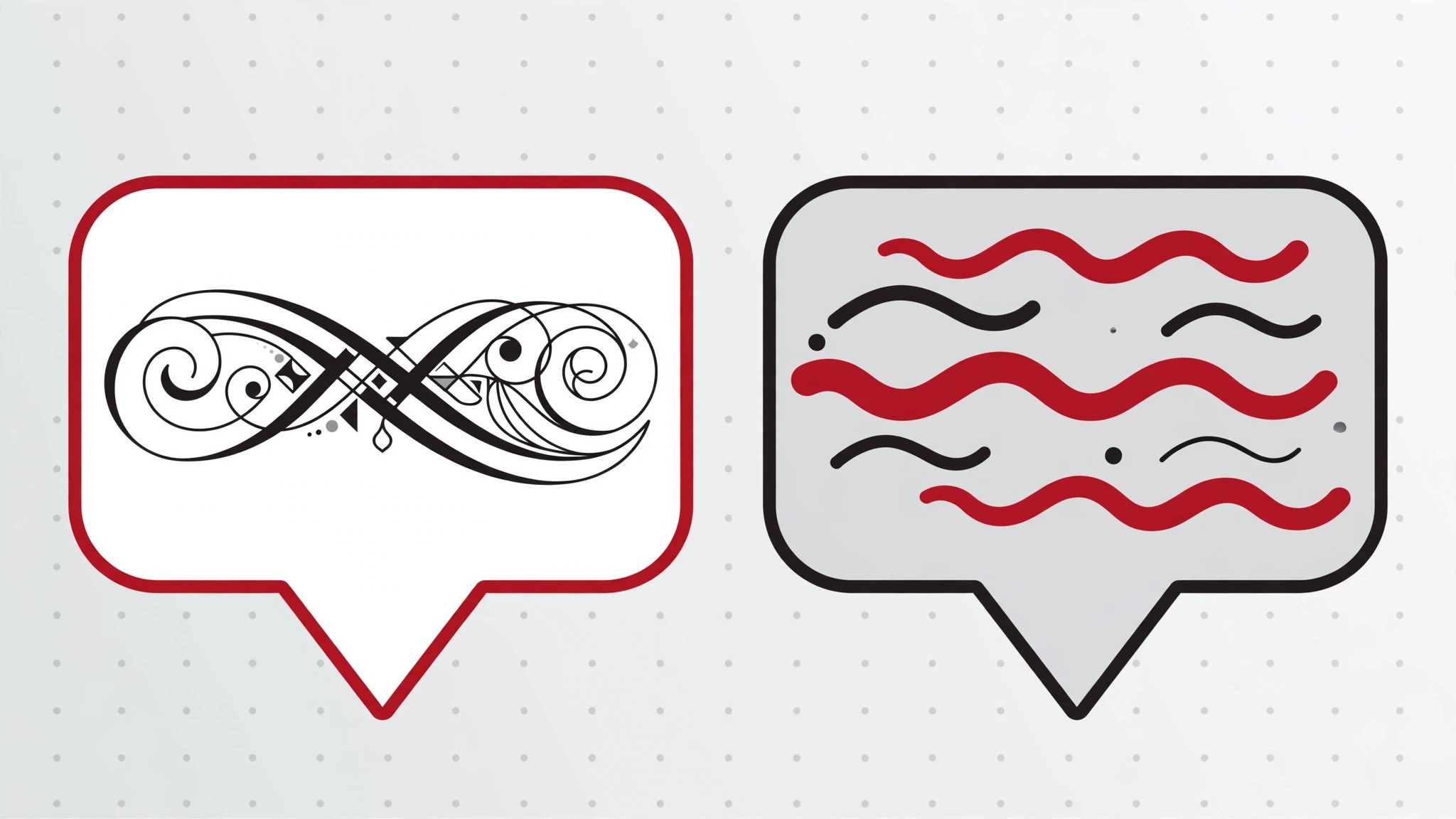
Arabic marketing copy in Oman faces a register problem: Modern Standard Arabic is correct, professional, and slightly distant; Omani dialect is warm, immediate, and risky in the wrong context. Get the mix wrong and the brand sounds either like a textbook or like it is trying too hard.
This guide gives the practical rules — which register for which surface, how to blend them, and the mistakes that make Omani audiences cringe. Written for marketers briefing copywriters, and copywriters briefing themselves.
THE CORE RULES
- MSA for the formal: websites, service pages, contracts, B2B content, press, official communications. MSA is the register of credibility — see Arabic SEO in Oman for why Google prefers it too.
- Dialect for the social: TikTok/Reels scripts, influencer briefs, casual social captions, radio-style audio. Dialect is the register of belonging — it says “we are one of you”.
- Blend in the middle: ads, WhatsApp broadcasts, email — MSA structure with dialect warmth: familiar greetings, conversational phrasing, local expressions where natural.
- Never for the legal: terms, policies, financial details — always MSA (or MSA + English). Dialect in fine print looks evasive.
SURFACE BY SURFACE
Website & landing pages: MSA throughout, with dialect allowed in testimonials (real customer voice) and FAQ answers (conversational clarity). Paid social ads: hook in dialect, details in MSA — the hook earns attention, the details earn trust. WhatsApp broadcasts: warm MSA-dialect blend; overly formal WhatsApp feels like a bank notice. Video scripts: dialect for presenter-led content, MSA for voiceover explainers. B2B: MSA (and English) — dialect in industrial procurement content undermines credibility; see Sohar B2B.
National occasions: National Day and patriotic creative lean MSA with classical warmth — dialect patriotism can feel flippant; see National Day campaigns. Ramadan: respectful MSA-dialect blend; see Ramadan marketing.
THE CRINGE LIST
- Wrong-dialect borrowing. Using Egyptian or Levantine slang to sound “cool” — Omani audiences hear it as foreign immediately. If you use dialect, use Omani.
- Forced dialect in formal contexts. A bank writing loan terms in dialect does not sound friendly; it sounds unserious.
- Machine-translated “MSA”. Translationese — English sentence structures in Arabic words — is the most common failure; native writers spot it in seconds. Never ship unreviewed translated copy.
- Inconsistent voice. Dialect on Instagram, stiff MSA on WhatsApp, English-only emails — the brand feels like three companies. Define the register map once, apply everywhere.
- Over-localising B2B. Dialect case studies for plant managers signal you do not understand the audience.
THE WORKFLOW THAT PRODUCES GOOD ARABIC COPY
Brief writers with the register map (this guide), audience, and surface — not just “write in Arabic”. Write MSA foundations first for evergreen content, then adapt social/dialect versions — never the reverse. Review with native Omani readers from the target segment (a Muscat professional and, where relevant, voices from Salalah or the interior — references land differently).
Build a brand glossary: approved MSA terms for products and policies, approved dialect expressions for social, and banned list (foreign slang, translationese tics). Our content marketing work includes Arabic copy workflows — because good Arabic copy is a process, not a talent lottery.
TESTING REGISTER CHOICES
When unsure, test: run dialect-hook vs MSA-hook ad variants, compare WhatsApp broadcast tones on engagement, and survey customers on brand voice perception. The data pattern we see repeatedly: dialect lifts attention and warmth metrics; MSA lifts trust and conversion metrics — which is why the blend wins overall.
Track complaints and confusion as well as engagement — a dialect joke that confuses older customers costs more than the likes it earned. Register choice is brand strategy, not just copy decoration; revisit it annually as audiences and platforms shift.
TRAINING YOUR TEAM ON REGISTER
Register discipline fails without team training — the social media executive writing MSA captions like a press release, the salesperson sending dialect quotes that look unprofessional. Build a register playbook: the rules from this guide, surface-by-surface examples of right and wrong, and the brand glossary (approved MSA terms, approved dialect expressions, banned list).
Train in both directions: Arabic-first staff on when MSA is required (formal, legal, B2B), and English-dominant staff on why dialect warmth matters socially (and where it must stop). Review real outputs monthly at first — WhatsApp broadcasts, ad copy, social captions — with specific feedback. Register consistency is a trained skill, not a talent; the brands that sound effortlessly Omani usually have the most deliberate training behind the voice.
DIALECT IN VIDEO AND AUDIO
Video and audio are where dialect shines brightest — spoken content carries register naturally: presenter-led video (TikTok, Reels, YouTube — Omani dialect presenters build instant rapport; scripted MSA voiceover feels distant by comparison), podcasts and audio (conversational dialect suits the medium's intimacy), ads with dialogue (dialect conversation spots outperform formal voiceover for attention and warmth), and testimonials (real customers in their own dialect — authenticity that cannot be scripted).
Production notes: cast Omani voices (not pan-Arab voiceover artists doing “an accent”), brief for natural delivery over polished reading, and subtitle in MSA where the content also serves formal contexts. The register rule holds in audio: dialect for belonging, MSA for authority — and the blend (dialect presenter, MSA captions) serves both.
KEY TAKEAWAYS
- MSA for the formal (websites, B2B, legal, press), dialect for the social (video scripts, influencer briefs, casual captions), blended in the middle (ads, WhatsApp, email).
- Never borrow foreign dialect slang to sound trendy — Omani audiences hear Egyptian or Levantine slang as foreign immediately.
- Machine-translated ‘MSA’ is the most common failure: translationese is obvious to native readers and damages trust — use native writers.
- Video and audio are dialect's strongest surfaces: Omani presenters and natural delivery build rapport that formal voiceover cannot.
- Train the team: build a register playbook with examples and a glossary, and review real outputs monthly — consistency is trained, not talented.
DIALECT VS MSA — FAQs
Should our website be in MSA or Omani dialect?
MSA for core website content — credibility, SEO, and clarity. Reserve dialect for testimonials, FAQs, and conversational elements where warmth helps.
Can we use Egyptian or Levantine dialect to sound trendy?
No — Omani audiences hear it as foreign and inauthentic. Use Omani dialect or stay in MSA; borrowed slang backfires.
Is machine-translated Arabic copy acceptable?
No. Translationese is obvious to native readers and damages trust. Arabic copy needs native writers and Omani review — especially for customer-facing content.
How do we keep voice consistent across channels?
Define a register map once (this guide's rules), build a brand glossary of approved terms and expressions, and brief every writer and creator against it.
Does dialect help or hurt conversions?
It helps attention and warmth, MSA helps trust and conversion — the blend (dialect hooks, MSA details) typically outperforms either alone. Test per surface.
How do we keep the whole team consistent on language register?
Build a register playbook (rules, right/wrong examples per surface, brand glossary), train both Arabic-first and English-dominant staff on the boundaries, and review real outputs monthly with specific feedback. Consistency is trained, not talented.
How do we brief copywriters on register?
With the register map (this guide's rules), the audience, and the surface — not just ‘write in Arabic’. Write MSA foundations first for evergreen content, adapt social/dialect versions from them, and have native Omani readers from the target segment review before publishing.


