VISUOSOFTS · OMAN
By the end of 2024, an estimated 87% of transactions in Oman were digital — one of the fastest payment shifts in the region. Yet checkout pages across Omani ecommerce still fail on the basics: unfamiliar payment options, card-only flows that exclude wallet users, and cash-on-delivery handled as an afterthought rather than a strategy.
Payments are a conversion lever, not plumbing. This guide maps Oman's payment mix, which options your checkout genuinely needs, and how presentation — order, labelling, trust cues — moves the needle.
OMAN'S PAYMENT MIX: WHAT CUSTOMERS ACTUALLY USE
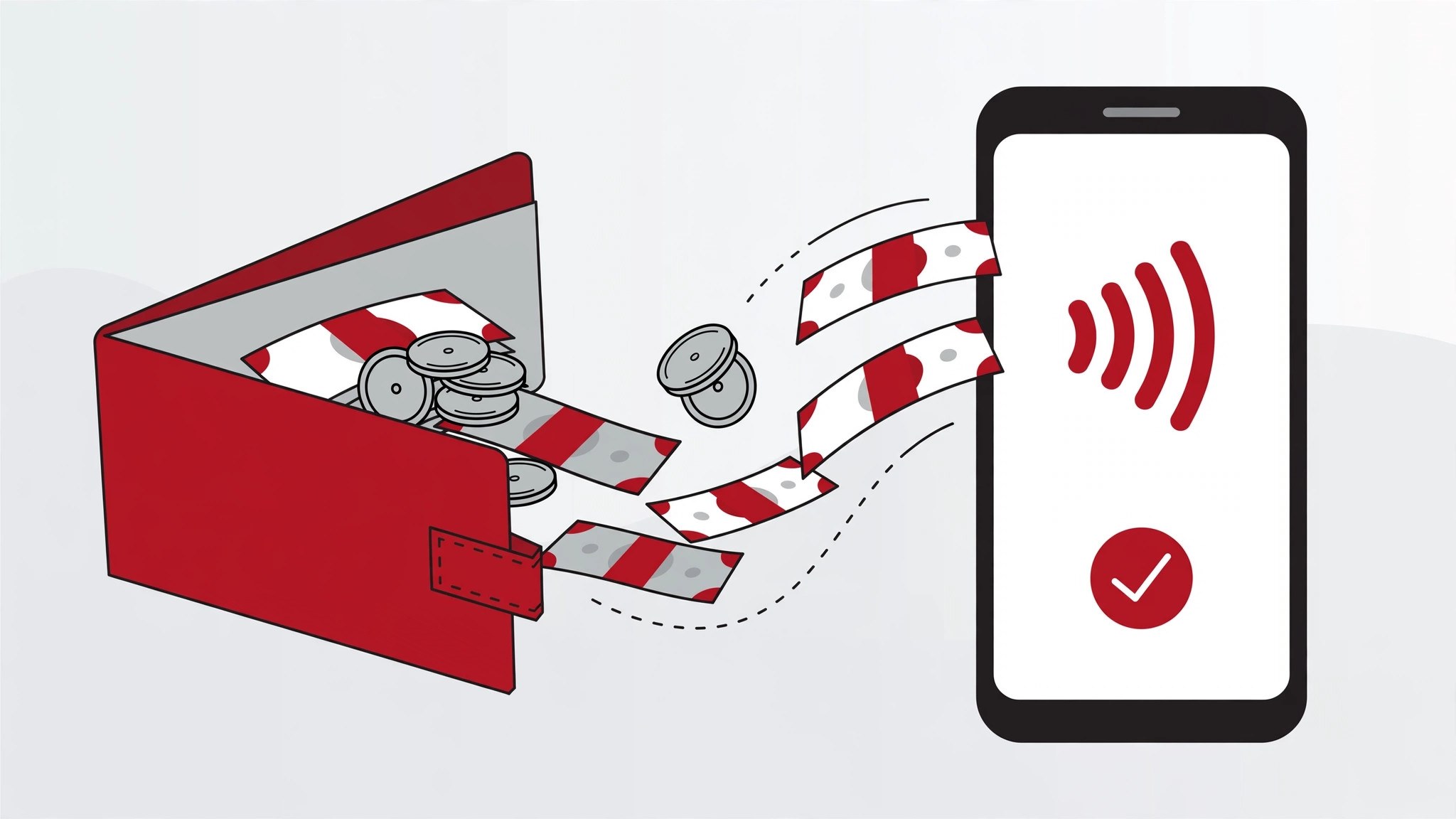
Omani shoppers pay with debit/credit cards (the default for online), mobile wallets and bank apps (growing fast, especially among younger buyers), and cash on delivery (declining but still decisive for first-time buyers and certain categories). Bank transfers persist in social commerce but should be a fallback, not the primary flow.
The generational split matters: under-35s default to wallets and saved cards; older and first-time online buyers still reach for COD as a trust mechanism. Your checkout must serve both — removing COD entirely costs you the trust-sensitive segment; keeping it unmanaged costs you failed deliveries and courier fees. See the last-mile reality for the COD logistics angle.
CHECKOUT DESIGN THAT CONVERTS
- Order methods by familiarity. Most-used first; never bury the popular option below exotic ones. Localise labels (“Pay with card” beats gateway brand names shoppers do not recognise).
- Show the trust cluster at payment step. Ma'ruf badge, SSL/secure-checkout cues, and clear return-policy link — the payment step is the peak hesitation moment.
- Mobile-first, obviously. With 82.7% of transactions on smartphones, the checkout must be thumb-friendly, with wallet deep-links and minimal typing. Every extra field costs conversions.
- Bilingual payment UX. Arabic labels for Omani shoppers, English alongside — payment confusion in a second language causes abandonment.
- Offer BNPL on higher tickets. Instalments reduce sticker shock; see BNPL in Oman for when the economics work.
- Confirm instantly on WhatsApp. Order confirmation via WhatsApp (not just email) matches how Omanis expect to hear from sellers.
CASH ON DELIVERY: MANAGE IT, DON'T JUST OFFER IT
COD is a trust tool with a cost: failed deliveries, courier re-attempt fees, and higher return rates. Manage it deliberately: verify by WhatsApp/call before dispatching high-value COD orders; set COD order-value caps; charge (or clearly state) COD fees rather than absorbing them silently; and track COD failure rate by area — interior addresses fail more often, which should inform your delivery policy.
The strategic goal is migrating repeat buyers from COD to prepaid: offer small prepaid incentives (discount or free delivery), save payment methods securely for one-tap reorders, and make the prepaid experience visibly smoother. Watch the prepaid share trend monthly — it is your trust barometer.
B2B AND HIGH-VALUE PAYMENTS
B2B transactions in Oman still run heavily on bank transfers and credit terms — but the direction is digital invoicing and online payment links even for trade customers. If you sell to businesses, offer: proforma invoices generatable online, payment links for deposits, and card/wallet options for smaller B2B orders. Sohar's industrial buyers increasingly expect supplier portals with payment capability — see B2B industrial marketing.
For high-value B2C (furniture, electronics, jewellery), instalment presentation at checkout — monthly-equivalent pricing shown next to the total — consistently lifts conversion. The psychology is universal; the methods must be Omani.
MEASURING PAYMENT PERFORMANCE
Track payment-method mix (share by method, trend over time), checkout abandonment by step (identify whether the drop is at method selection or details entry), COD failure/return rates, and authorisation/decline rates by method. A sudden decline spike usually means a gateway or bank issue, not a marketing problem — monitor it like uptime.
Run payment A/B tests the way you test headlines: method order, default selection, instalment presentation, trust-badge placement at the payment step. Payments are the highest-leverage CRO surface in Omani ecommerce — our conversion optimisation work usually starts here.
FRAUD, CHARGEBACKS AND PAYMENT SECURITY
Digital payments bring fraud exposure that COD never had: stolen cards, friendly-fraud chargebacks (“I didn't order this”), and account-takeover orders. Omani sellers need proportionate defences: 3D Secure / verified-by-visa flows (shifts liability on authenticated transactions), velocity monitoring (multiple rapid orders from new accounts deserve review), address verification mismatches flagged, and clear records (delivery proof, especially for high-value orders — chargeback disputes are won on evidence).
Balance security against conversion: maximum-friction fraud controls cost more in abandoned checkouts than they save in prevented fraud for most SME volumes. Layer defences by risk (light touch for returning customers, verification for anomalies), keep chargeback rates monitored per method, and treat fraud prevention as an ongoing operational discipline — not a plugin installed once.
SUBSCRIPTIONS AND RECURRING PAYMENTS
Recurring revenue is Oman's underbuilt frontier: subscription boxes, replenishment (coffee, personal care, baby products), memberships (gyms, clubs, content), and service retainers. The payment mechanics: tokenised cards and wallet mandates (one authorisation, recurring charges — the friction killer), clear subscription terms (billing cycle, cancellation ease — in Arabic and English; difficult cancellation destroys trust permanently), and dunning management (failed recurring payments recovered with smart retries and customer comms, not silent churn).
Marketing subscriptions differs from one-off selling: sell the outcome stream (never run out, member perks, curated discovery), price annually-vs-monthly to frame value, and track cohort retention ruthlessly — subscription economics live or die on months 2–6. Omani consumers adopt subscriptions where the value is obvious and cancellation is honest; the model rewards the trustworthy.
KEY TAKEAWAYS
- Oman's payment mix: cards (default), mobile wallets/bank apps (growing fast), COD (declining but still decisive for first-time buyers).
- Order checkout methods by familiarity with localised labels; lead with what Omanis recognise, not gateway brand names.
- Manage COD deliberately: verification, caps, stated fees, and area-level failure tracking — while migrating repeat buyers to prepaid.
- Design mobile-first and bilingual: 82.7% of transactions are on smartphones, and payment confusion in a second language abandons carts.
- Build fraud defences proportionate to volume: 3D Secure, velocity monitoring, delivery proof — without strangling conversion.
DIGITAL WALLETS IN OMAN — FAQs
Which payment methods must an Omani online store offer?
Cards (debit/credit), popular mobile wallets/bank apps, and COD as a managed trust option — plus BNPL for higher-ticket categories. Exact mix varies by audience; watch your own method-share data.
Is cash on delivery dead in Oman?
No — declining, but still decisive for first-time buyers and trust-sensitive categories. Manage it (verification, caps, fees) while migrating repeat buyers to prepaid; do not just switch it off.
Why do Omani checkouts abandon at the payment step?
Unfamiliar payment options, too many form fields on mobile, missing trust signals at the hesitation peak, and no Arabic labelling. Fix in that order.
Should B2B sellers offer online payments?
Increasingly yes — payment links for deposits and smaller orders, proforma generation online. Full credit-terms workflows stay offline, but the edges are digitising.
How do I choose a payment gateway in Oman?
On: settlement reliability, Omani method coverage, mobile UX quality, fees at your volume, and support responsiveness. Trial with real transactions before committing — gateway marketing pages all look the same.
How do Omani sellers handle payment fraud?
Layered defences: 3D Secure on cards, velocity monitoring, delivery proof for high-value orders, and chargeback evidence discipline. Keep friction proportionate — maximum security costs more in abandoned checkouts than it saves for most SMEs.
Should Omani stores offer subscriptions?
Where the model fits (replenishment, memberships, boxes): yes, with tokenised payments, crystal-clear terms and easy cancellation in both languages, and dunning management. Omani consumers adopt subscriptions where value is obvious and cancellation is honest.


